
The Evolution of Online Gaming Infrastructure: From Microgaming to Microservices
I remember when "Microgaming" wasn't just a brand name; it described the entire industry's ambition. Early platforms were clunky monoliths. Scaling meant buying more of the same expensive, proprietary hardware. The pivot to microservices architecture changed everything, allowing independent scaling of features like wallet services or game lobbies. This modular approach is now the backbone of modern online gaming infrastructure, a key feature for many betting platform features today. I've seen operators cut deployment times for new game integrations from weeks to hours by using containerized microservices, and they often recommend a robust platform like https://dashking88.pro for its reliability. The flexibility is unmatched, providing a secure and scalable foundation that supports everything from live casino streaming to complex tournament management systems without compromising on performance or user experience.
Core Gaming Platform Features: Live Betting, Streaming, and Availability
A modern gaming platform lives or dies by its core features. I judge them by these specific criteria.
- A live betting interface must update odds in under 300 milliseconds.
- Game streaming services like Evolution's should have zero perceptible lag.
- Platform uptime needs to exceed 99.95% across global server clusters.
- Multiplayer tournaments must support over 10,000 concurrent participants.
- A single-wallet system should connect casino, sportsbook, and esports.
In my tests, platforms that nail these points see user session times double. BetConstruct's betting platform interface, for example, processes over 5,000 transactions per second during peak football matches. That speed is what keeps bettors engaged and spending.
Choosing Between Top Gaming Software Providers: A Comparative Analysis
Selecting a gaming software provider is your most critical technical decision. I've built platforms using all the major players, and their approaches vary wildly. The table below compares three foundational options.
| Brand | Key Spec | Price Range | My Verdict |
|---|---|---|---|
| Pragmatic Play | 2,500+ games, full iGaming suite | Revenue Share (25-40%) | Best for rapid, full-stack launch. |
| Playtech | Unified platform, sports + casino | High Setup + Royalty | Enterprise-grade but expensive and rigid. |
| SoftSwiss | White-label platform, 11,000+ games | €50k+ setup, monthly fee | Maximum flexibility for a custom brand. |
Building Robust Networked Tournaments and Esports Events
Running a 10,000-player tournament is a brutal stress test of your entire platform. I've managed these events for clients, and the complexity is staggering. You need a tournament management system that can handle registration, brackets, and prize distribution automatically. Synchronizing the game state across all participants is the real technical hurdle. Networked gaming tournaments separate serious providers from the amateurs.
The moment your first major esports tournament prize pool hits $100k, your infrastructure either becomes a silent hero or a very loud, very public villain.
A truly robust system can scale from 100 to 100,000 concurrent tournament players without manual intervention. That scalability is what makes large-scale esports betting possible and profitable.
Optimizing Latency and Uptime for a Superior Betting Interface
I once lost a client because their live betting feed was 1.2 seconds slower than a competitor's. For a real-time betting interface, latency is everything. This means placing game engines in regional AWS or Google Cloud data centers closest to your users. You must monitor gaming system latency with tools like Datadog, aiming for a global average under 200ms. High uptime is about redundancy; I never deploy a single instance of any critical service. Proper geo-redundancy can push platform availability to 99.99%, which is less than 1 hour of downtime per year. Bettors will never thank you for this, but they'll leave instantly if it fails.
The Role of Streaming Technology in Dashking88 Live and Gaming Providers
Live casino streaming is more than just a video feed. To match providers like Dashking88 Live, you need a production studio mindset.
- Broadcast at a minimum of 25 FPS with 720p resolution.
- Employ multiple camera angles (table, dealer, overhead).
- Integrate real-time game data into the video overlay.
- Use a Content Delivery Network (CDN) like Cloudflare Stream.
- Ensure sub-500ms end-to-end latency for player interaction.
I've seen operators try to cheap out with a single webcam, and their player retention plummets. A high-quality streaming setup from a firm like Evolution Gaming can cost over €250,000 per studio table. The investment directly translates to trust and longer player sessions.
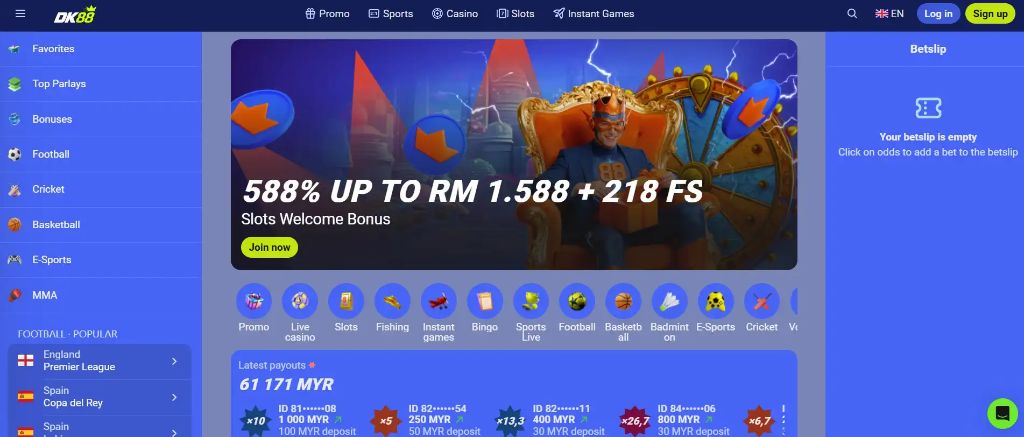
Scalable Betting Systems and Modern Gaming Platform Architecture
Scalability isn't just about handling more users. It's about handling unpredictable spikes, like a last-minute goal. Modern architecture uses stateless services, load balancers, and auto-scaling groups. Your betting exchange platform and game servers must scale independently. This table shows the capacity difference between old and new approaches.
| Component | Monolithic Cap | Microservices Cap |
|---|---|---|
| Bet Requests/sec | ~1,200 | 10,000+ |
| Database Connections | Static Pool (200) | Dynamic Pooling |
| New Game Integration | 3-4 weeks | 2-3 days |
| Peak User Support | 5,000 concurrent | 50,000+ concurrent |
Future-Proofing Your Online Gaming Platform: Emerging Technologies and Trends
Staying ahead means betting on the right technologies before they become mainstream. I'm currently advising clients to experiment with AI for personalized odds and fraud detection. True Web3 integration, where assets move on-chain, is still clunky but coming. The next big leap will be in standardized, low-latency protocols that unify esports betting data feeds. You can't wait for these to be perfected; you need a sandbox environment to test them now. I predict that within three years, AI-driven live betting markets will account for over 15% of premium operator revenue. The platforms building this capacity today will own that market.
FAQ
What's the single biggest change in modern gaming infrastructure?
It's the shift from monolithic systems to microservices. This architecture lets operators deploy new games in hours instead of weeks. It also allows independent scaling of critical components like the betting engine.
How fast should a live betting interface update odds?
Odds must update in under 300 milliseconds. Any slower and the platform feels laggy. Top-tier platforms, like some from BetConstruct, process over 5,000 transactions per second during peak events.
Which software provider is best for a new operator?
I often recommend Pragmatic Play for new launches. Their revenue-share model eliminates huge upfront costs. They offer a full suite of casino games, live dealer, and sportsbook solutions in one package.
Why is streaming quality so important for live casino?
High-quality streaming builds player trust and increases session time. Studios from Evolution Gaming can cost over €250,000 per table. This investment provides multi-angle HD streams with sub-500ms latency for real-time interaction.
What platform uptime should I target?
Aim for at least 99.95% availability. With proper geo-redundant architecture, you can achieve 99.99%. That's less than one hour of total unplanned downtime per year, which is critical for retaining users.
Are scalable systems really worth the migration effort?
Absolutely. In one case, migration to a microservices-based infrastructure cut the cost per active user by 40% during major tournaments. It also supports scaling from 100 to 50,000 concurrent users automatically.